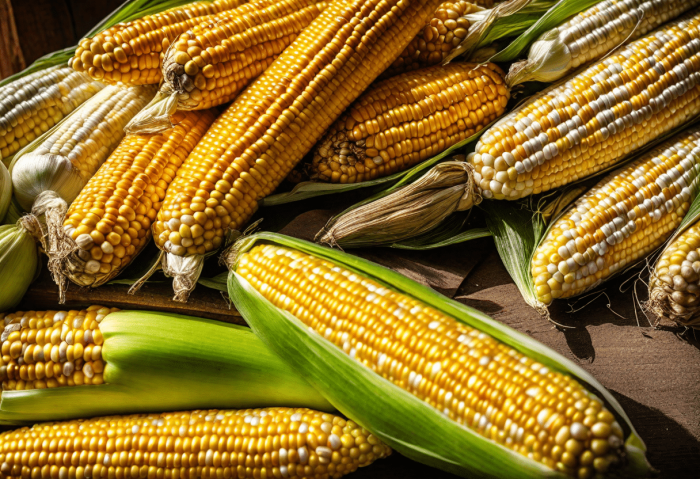
Culinary debates may often seem anecdotal, but they reflect deep cultural, economic, and scientific issues. The classification of corn is a striking example. Traditionally considered a vegetable in the context of a meal, corn is actually a grain according to botanists. This duality raises questions about the food categories we use in our daily lives. Dietitians, chefs, and farmers often disagree, each defending their perspective based on nutritional, gastronomic, or agricultural criteria. This debate transcends the simple plate to touch on how we understand and classify the products of our environment. corn: vegetable
Corn: between vegetable, cereal, and industry
At the heart of culinary controversies, corn presents itself in multiple forms that challenge traditional classifications. The ear of corn, often consumed as a vegetable for its crunchy texture and sweet taste, is actually the fruit of a cereal plant. This ambivalence raises the question of corn’s place in our diet and in the agri-food industry. From the ear consumed fresh to the processed grain, the term ‘corn: vegetable’ does not capture the complexity of this staple food for many cultures.
The transformation of corn into a variety of products demonstrates its predominant role in our daily diet. Cornmeal is the basis for traditional preparations such as bread and tortillas. Breakfast cereals, such as cornflakes, are made from corn flakes. Popcorn, on the other hand, is a spectacular transformation of corn that, under the effect of heat, offers a snack enjoyed worldwide. Corn syrup, used as a sweetener, and corn starch, known for its thickening properties, are derivatives that testify to the omnipresence of corn in processed products. The cultivation of corn itself does not escape this versatility. It is an essential component of global agriculture, providing not only food for populations but also raw materials for a diverse food industry. The relationships between the ear of corn and the corn itself, between the seed and its derived products, illustrate the interconnectivity between agriculture and food. Each product, each transformation, each use of corn reveals the multiple facets of a food that, well beyond the ‘corn: vegetable’ controversy, occupies a central place in our societies. 
The stakes of corn classification and its impacts
The classification of corn does not stop at the confusion between vegetable and cereal, but extends to broader debates on food safety and healthy eating. The way we define corn directly influences agricultural policies, regulations on GMOs, and nutritional recommendations. Indeed, characterizing corn as a cereal or vegetable can guide consumers towards different food choices, thereby impacting their nutrient intake. The corn sector is therefore scrutinized by nutritionists who question the place of this food in a balanced diet, in light of the increase in ultra-processed foods.
The environmental impacts of intensive corn cultivation also generate significant interest. Large-scale corn production, often associated with the use of GMOs and pesticides, raises concerning environmental questions. Biodiversity and soil health are compromised by agricultural practices that favor monoculture and high yields. The classification of corn thus has ecological repercussions, with the scientific debate revolving around the search for sustainable agriculture capable of reducing the carbon footprint while continuing to feed the population.
In this light, the culinary controversies surrounding corn are not trivial. They reflect societal concerns about the origins and composition of what we eat. The use of corn in a variety of products and culinary preparations is both an asset and a challenge. Food industry players, faced with the demand for more transparent and less processed food, must navigate between technological innovation and the expectations of increasingly informed and demanding consumers. The classification of corn and the debates it generates are symptomatic of a society in search of meaning and sustainability in its food choices.