The profile of visitors welcomed in French farms has changed. Where educational farms used to mainly receive school classes and families on weekends, the demand now comes from urban adults, often between 25 and 45 years old, who want to participate in agricultural work while enjoying a structured recreational setting. Atout France and the National Observatory of Rural Tourism report a significant increase in this demand for so-called “farm immersion” stays.
Hybrid farms and agri-parks: a dual-entry economic model
The term “leisure farm” now encompasses very different realities from a simple rural gîte with chickens in the yard. On the outskirts of several European metropolises (Paris, Brussels, Rotterdam, Montreal), permanent structures combine agricultural production, scientific mediation, and recreational activities. These agri-parks operate like amusement parks attached to a real farm.
The model relies on a dual source of income: production and ticket sales. The farm sells its products through short supply chains, and visitors pay for workshops (cheese making, fruit picking, animal care). Italy and Spain, pioneers through agriturismo networks, report a continuous increase in overnight stays on farms offering experiences rather than just accommodation.
Specialized platforms list these offers and facilitate connections between operators and visitors. On loisiragri.fr, you can find proposals that illustrate this convergence between productive agricultural activity and recreational supervision.
Field feedback varies on the actual profitability of these hybrid models. An operator who opens their doors to the public must manage reception, safety, communication, and sometimes accommodation. Time spent on activities is time taken away from production. For some structures, ticket sales more than compensate. For others, the organizational costs remain a barrier.
Experiential agritourism: what urban visitors are looking for
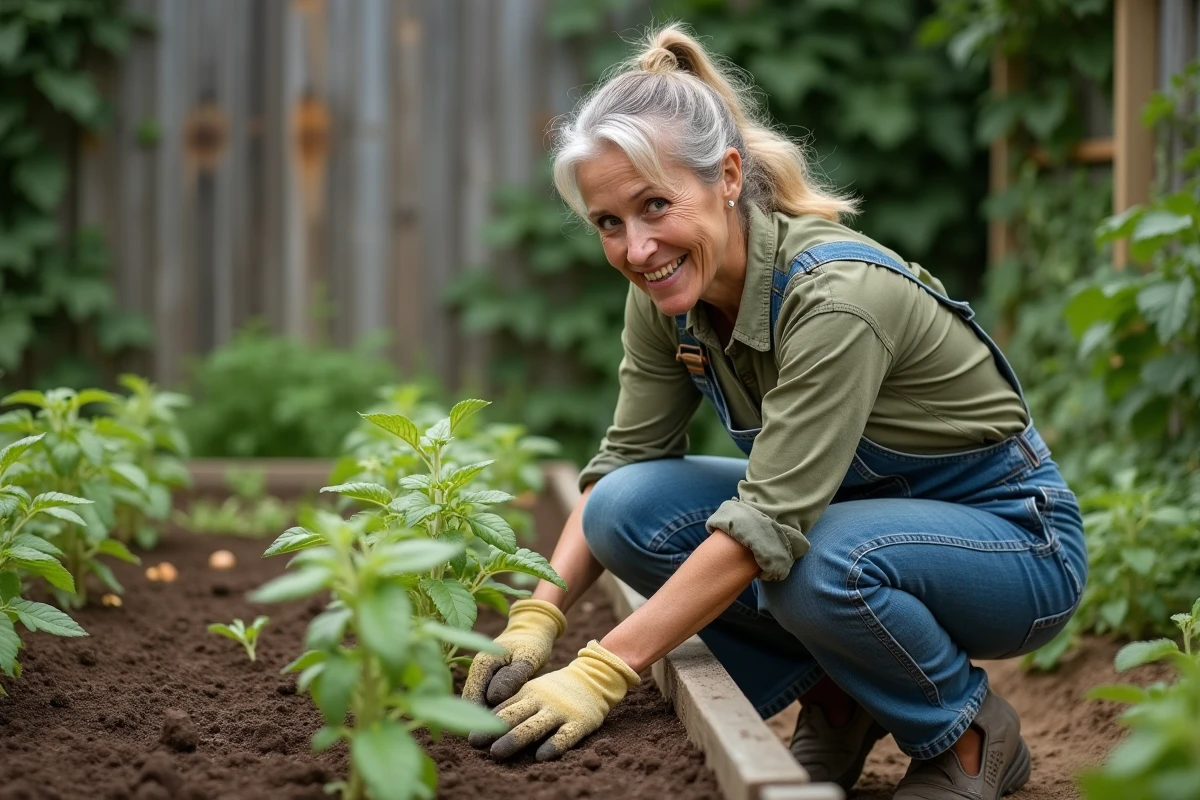
The increase in attendance cannot be explained solely by a post-lockdown trend. The National Observatory of Rural Tourism identifies a deeper movement among urban 25-45 year-olds seeking reconnection with nature. These visitors do not want to observe a cow from a distance. They want to participate in grape harvesting, learn to graft a tree, and understand a composting cycle.
What characterizes this demand:
- An expectation of active participation in agricultural work, not just observation. The visitor wants to leave with a skill, even if rudimentary.
- A need for complementary leisure activities on-site or in the immediate vicinity (hiking, wellness, culinary workshops), to justify a multi-day stay.
- A sensitivity to sustainable practices and transparency regarding production methods, with a marked preference for farms engaged in organic or sustainable agriculture.
The Innov’Action program in Brittany illustrates this trend. From June 12 to 19, 2026, farmers will open their farms to showcase innovative practices: a farm brewery set up in an old cattle building, resilient dairy farming through parcel exchanges, and the use of predictive artificial intelligence in poultry farming. The visitor observes and interacts with active professionals, not with entertainers disguised as farmers.
Agricultural technologies and leisure: when innovation becomes a spectacle
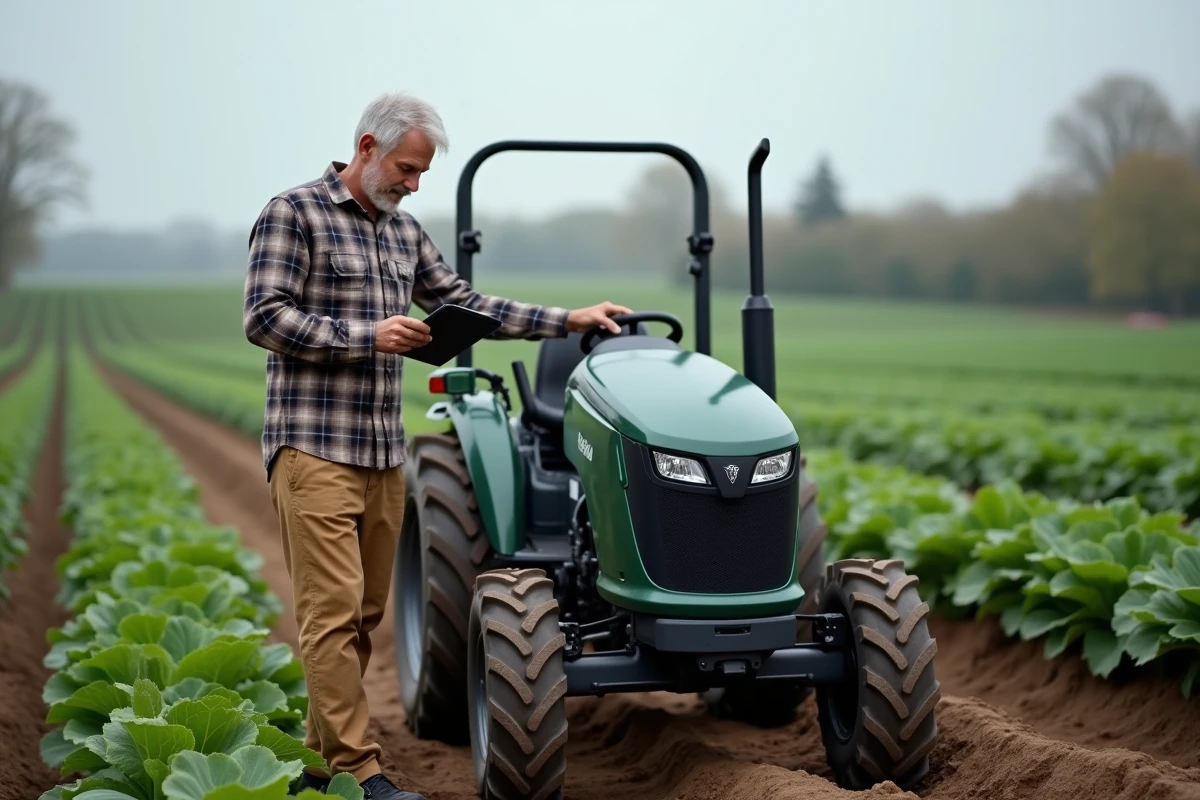
The integration of technologies in farms creates additional appeal for the public. Crop surveillance drones, milking robots, and predictive AI tools are no longer reserved for trade shows. Some open farms use them as mediation tools.
In Brittany, a farm showcases its predictive artificial intelligence system applied to poultry production, coupled with energy self-consumption. The visitor discovers both livestock farming and the energy management of the building. Technical innovation becomes a full-fledged educational content.
This approach attracts a different audience than Sunday picking enthusiasts. Professionals in career transition, agronomy students, and technology enthusiasts visit these sites with specific expectations. The available data do not yet allow for measuring the exact share of this “tech-curious” audience in overall attendance, but operators offering these visits report a high return rate.
Territorial food projects and local structuring of agricultural leisure
Beyond individual initiatives, local authorities are structuring the offer at the territorial level. Territorial Food Projects (PAT) serve as a framework to connect local production, short supply chains, and cultural activities. The community of communes of Saint-Pourçain-sur-Sioule organized an interactive conference in May 2026 titled “Our Farmers Have Talent!”, featuring testimonials, quizzes, and projections, as part of its PAT and the Nature Festival.
The PAT provides an institutional framework that legitimizes agricultural leisure with public funders. An isolated farm wanting to welcome the public must build everything on its own. A farm integrated into a PAT benefits from a network, shared communication, and sometimes dedicated funding.
The Daniel and Nina Carasso Foundation supports similar projects through its “Feeding the Future” call, which funds initiatives ranging from the establishment of new farmers to the creation of local micro-abattoirs. These funds target structures that combine viable production with public accessibility.
The challenge for the coming years remains the sustainability of these systems. A PAT depends on local political will that can change. A farm open to the public must maintain a consistent level of quality in reception, which requires regular investments in training and infrastructure. Operators who successfully manage this dual mission, producing and welcoming, build a more resilient agricultural model, but also one that is more demanding on a daily basis.