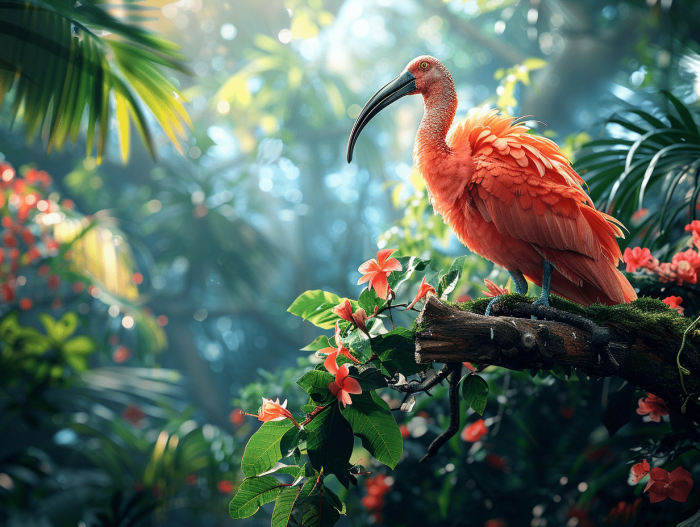
From the lush jungles of South America to the vast steppes of Siberia, animal diversity continues to fascinate. The ibis, with its vibrant feathers, roams the tropical marshes, while the sable, with its silky fur, traverses the snowy forests of Eurasia.
Between these two extremes, other equally fascinating creatures inhabit our planet. Let’s take animals that start with Q, such as the quokka, this always-smiling Australian marsupial, or the quetzal, a brightly colored bird from the forests of Central America. Each species, unique in its own way, contributes to the richness of our biodiversity.
Exotic animals from A to Z: from ibis to sable
The richness of exotic fauna is expressed in a multitude of species, each making its unique contribution to our global ecosystem. Among these fascinating creatures, the kangaroo rat from Santa Cruz stands out. Primarily residing in California, this animal plays a key role in seed dispersal, thus contributing to the regeneration of local plants.
In Australia, the thorny devil attracts attention with its unique appearance and specific adaptations to its desert environment. This exotic reptile is a perfect example of the biological diversity of this continent.
In Canada, specifically in British Columbia, the Vancouver Island marmot is an emblematic species. Part of the squirrel family, this marmot is a fundamental indicator of the health of the mountainous ecosystems in the region.
In Asia and Africa, the mouse deer also deserves our attention. Inhabiting varied regions such as Vietnam, Southeast Asia, and Central and West Africa, this astonishing animal illustrates the adaptability of certain species to diverse habitats. We should also mention the pink river dolphin from the Amazon and Orinoco rivers. Feeding on fish, river turtles, and crabs, this member of the aquatic fauna embodies the complexity and beauty of tropical river ecosystems.
These examples, among many others, illustrate the incredible diversity of exotic animals. From animals starting with Q to other rare creatures, each species helps weave the complex and precious web of our planetary biodiversity.

Exotic animals starting with Q: a fascinating discovery
The letter Q holds an unsuspected wealth of rare fauna. Among the most intriguing creatures, the quokka stands out. Nicknamed the ‘happiest animal in the world’, this animal, native to Rottnest Island in Australia, fascinates with its perpetual smile and unique social behavior. These marsupials have become a symbol of responsible ecotourism, attracting thousands of visitors each year.
Another exotic animal starting with Q deserves our attention: the resplendent quetzal. Inhabiting the tropical forests of Mexico and Central America, this bird is famous for its vibrant plumage and bright colors. Often associated with the myths and legends of pre-Columbian civilizations, the quetzal is now threatened by deforestation and habitat fragmentation.
- Quokka: Native to Rottnest Island, Australia
- Resplendent quetzal: Inhabiting the tropical forests of Mexico and Central America
The quokka and the quetzal embody the diversity and beauty of exotic fauna. Each, in its own way, reminds us of the necessity to protect these threatened species. The conservation of their natural habitat is fundamental for preserving our biological heritage.
By exploring the letter Q, we discover a lesser-known part of global biodiversity. These exotic animals wonderfully illustrate the richness and complexity of the ecosystems that populate our planet.