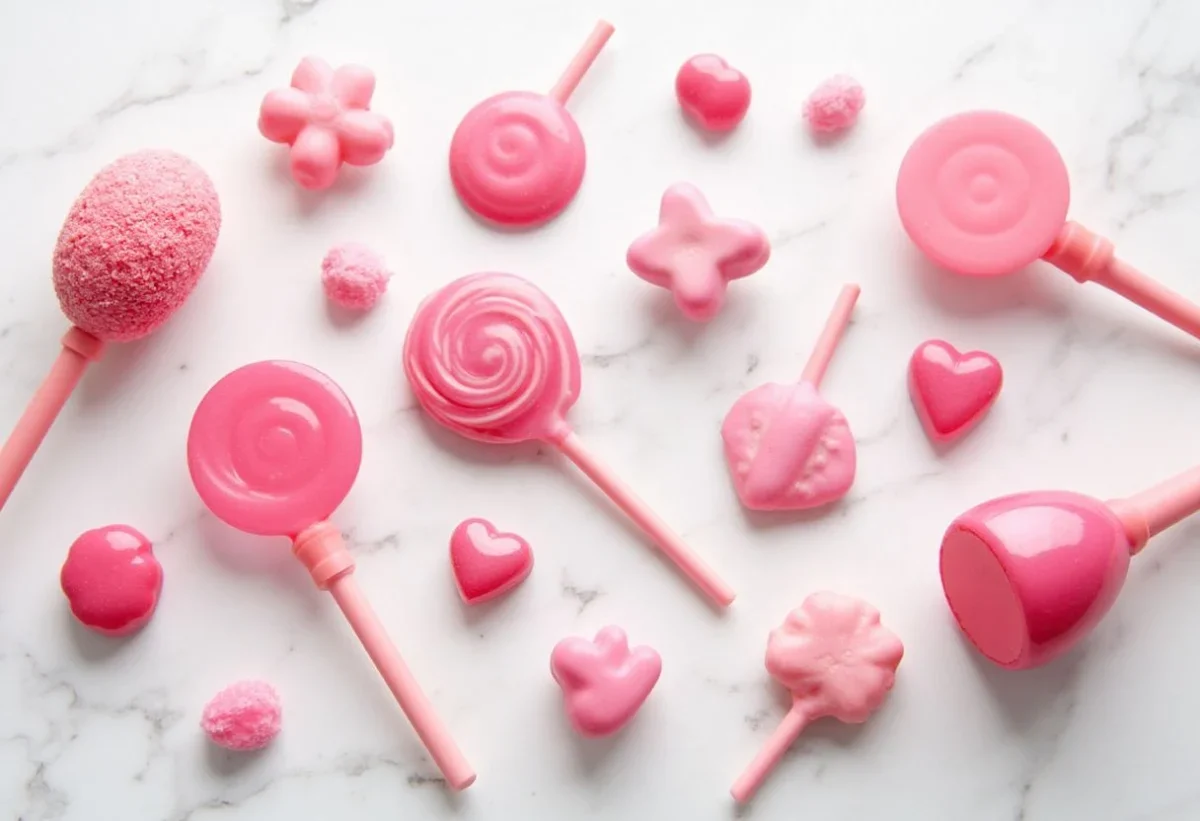
Candy, those little treats that delight our taste buds since childhood, continue to fascinate candy lovers of all ages. Among these sweets, the pink candy stands out for its vibrant color, often fruity taste, and its ability to evoke enchanted memories. This delicate and alluring hue catches the eye and awakens the inner child in each of us. Behind its apparent simplicity lies a complex world of flavors, textures, and symbolism.
The Origins of Pink Candy
The first traces of candy date back to Antiquity, where the Egyptians and Greeks already demonstrated culinary creativity with treats made from honey and fruits. However, the advent of sugar in the Middle Ages truly revolutionized the world of sweets. It was during this time that colored candies began to take shape, with the addition of natural colorants derived from plants and flowers. The pink candy, with its delicate hue, became a symbol of refinement thanks to the use of beetroot to achieve its characteristic pink color.
Over the centuries, pink candy has evolved to become a popular treat at celebrations and special events. Whether for a wedding, a birthday, or a fair, these candies were often chosen for their joyful appearance and thus more attractive.
Varieties of Pink Candy
The pink candy comes in a multitude of shapes and flavors, each offering a unique experience to candy lovers.
- Pink dragees: often used during ceremonies, they combine crunchiness and sweetness.
- Pink marshmallows: melting and airy, they bring a touch of pleasure and tenderness.
- Pink lollipops: ideal for children, they are synonymous with indulgence and prolonged enjoyment.
- Pink gummy candies: offering a soft texture, they release a fruity taste in the mouth.
Each variety of pink candy has its own characteristics, allowing everyone to find the one that best matches their taste preferences.
Symbolism and Cultural Impact
Pink is often associated with sweetness, love, and femininity, which explains why the pink candy is often chosen for events celebrating these themes. Children’s birthday parties and Valentine’s Day celebrations often see this treat presented in various forms. Furthermore, pink candy finds its place in visual arts and popular culture. From films to advertisements, this color plays a central role in evoking an atmosphere of joy and lightness.
Manufacturing and Innovation
Artisanal methods of making pink candy highlight the use of natural ingredients to achieve the perfect color and flavor. Candy artisans strive to preserve ancestral techniques while integrating modern elements to meet the changing needs of consumers.
Technological advancements in the food sector have enabled the creation of pink candies with unprecedented flavors while respecting current trends, such as reducing sugar or creating vegan products. Thanks to these innovations, pink candy continues to evolve to remain a cherished treat for both young and old.
Pink candy, a symbol of sweetness and carefree joy, remains a beloved treat for its ability to evoke happy memories and provide a gourmet pause in our daily lives. Whether savoring a pink candy during a special occasion or simply for pleasure, these little delights will continue to amaze our senses and inspire moments of simple happiness.